
Every exhibition project has a version of this conversation. You ask whether we can use a specific material — a laminate, a fabric, a run of extrusion you liked on the last build — and the answer comes back: "Let me check and get back to you."
That answer was honest. Checking meant someone physically walked the warehouse, or called someone who could. Sometimes you heard back in an hour. Sometimes the next morning. On a project with a fixed show-floor date, a morning is not nothing.
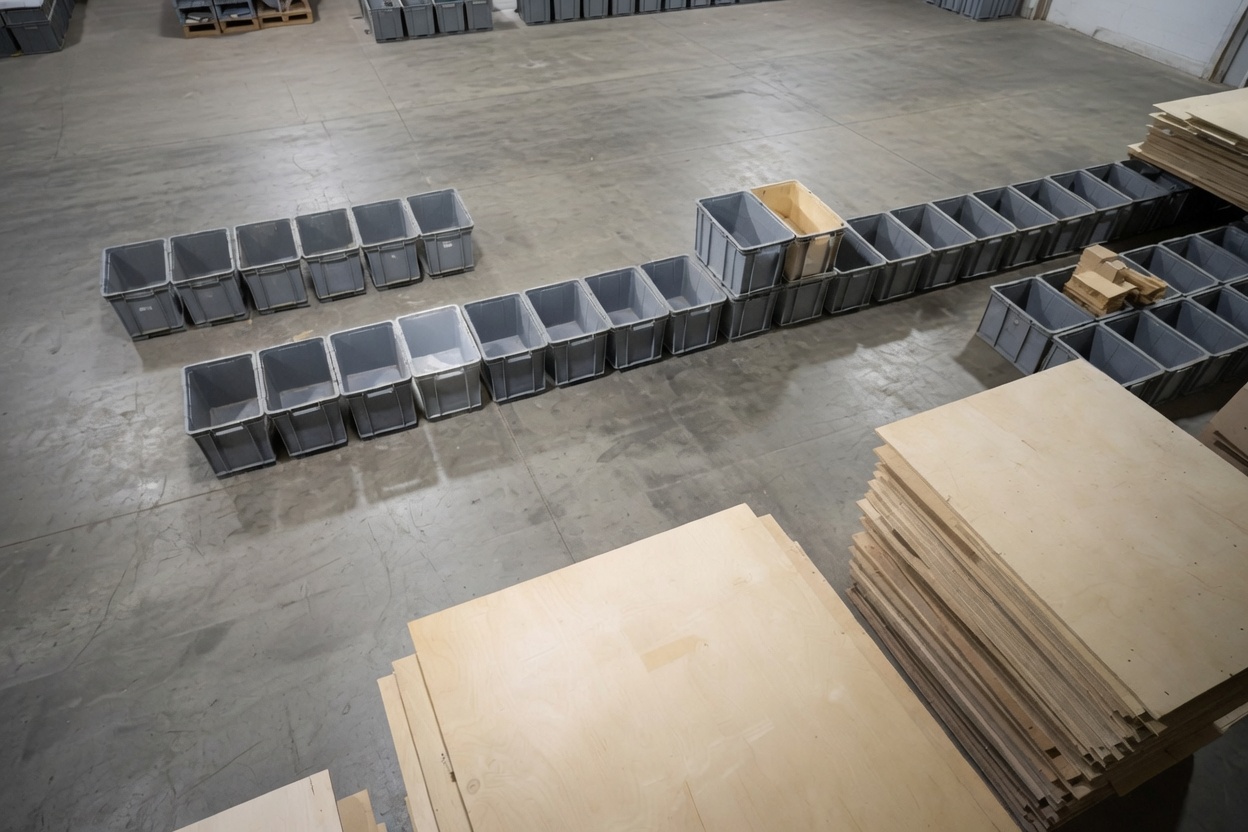
We rebuilt that. AMG's inventory now runs on an AI system our team asks in plain language and gets an answer from in seconds — what we have, how much of it, and exactly where it sits. When you ask "can you use this material?", the answer arrives while we're still on the call.
Here's what that changes for you.
Faster quotes, because nobody has to walk to the warehouse
A quote is only as fast as its slowest unknown, and material availability was always that unknown. Our estimators either waited on a warehouse check or hedged — quoted around the uncertainty and corrected later.
Now the availability check happens inside the quote instead of before it. Our team asks, gets a real count against a real location, and prices what we actually have on the floor. No round-trips. No placeholder numbers. A quote in your hands while the idea is still fresh.
Fewer surprise substitutions
The worst part of a substitution isn't the substitution. It's finding out late — after the design is approved, after the timeline is committed.
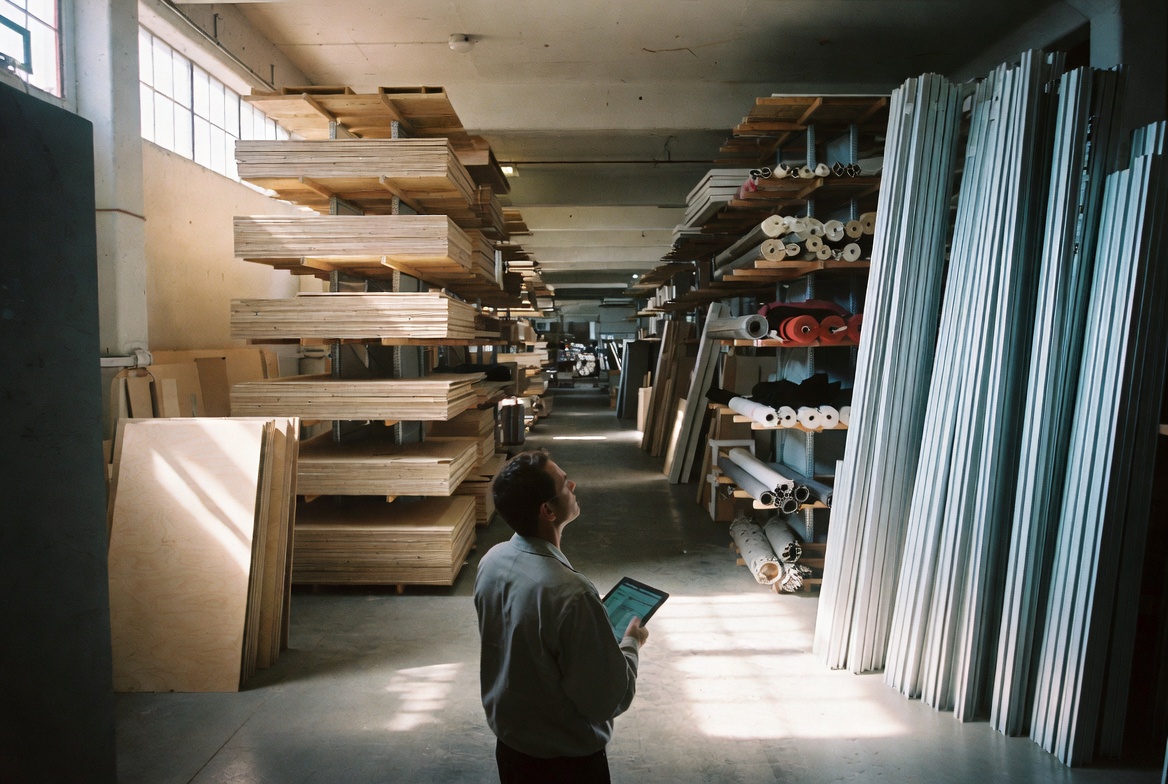
Substitutions happened for one reason: the count in someone's head was older than the count on the shelf. That gap is gone. This isn't a spreadsheet somebody updates on Fridays. Material is logged the moment it arrives, and the count draws down the moment it's pulled for a job — with a permanent record of who pulled it and which project it went to. What you're quoted against is what's actually there.
And it watches its own thresholds. Every material carries a reorder point. Drop below it and the system flags it for reorder immediately — while there's still time to reorder, not at the moment a fabricator reaches for the last sheet.
Timelines you can plan around
Booth timelines rarely slip in one dramatic moment. They slip in small ones. A material runs short mid-fabrication. A shop crew stops. A substitute gets sourced, then approved, then delivered — and three days quietly vanish from a schedule that never had three days to give.
Every one of those failures shares a root cause: a material problem discovered downstream of the decision that caused it. Caught at quoting, it costs a phone call. Caught on the shop floor, it costs your schedule.
That's the real value here, and it was never really about the technology. It's that our answers about materials are current by default — so the dates we commit to mean what they say.
Where this goes next
Knowing what's on the shelf is the foundation, not the finish line. We're building toward an operation where every sheet of plywood is costed to the project that consumed it, where reorders are raised before anyone thinks to ask, and where the moment a design is approved, the materials behind it are already accounted for — from the warehouse rack to the show floor.
The goal is simple: a booth timeline with nothing hidden in it.
Let's talk about your next build
If you have a show on the calendar and a material question you'd normally expect to wait on — ask us. That's the entire point. You shouldn't have to wait to find out whether your idea is buildable.
Or reach out to your AMG project manager directly.