
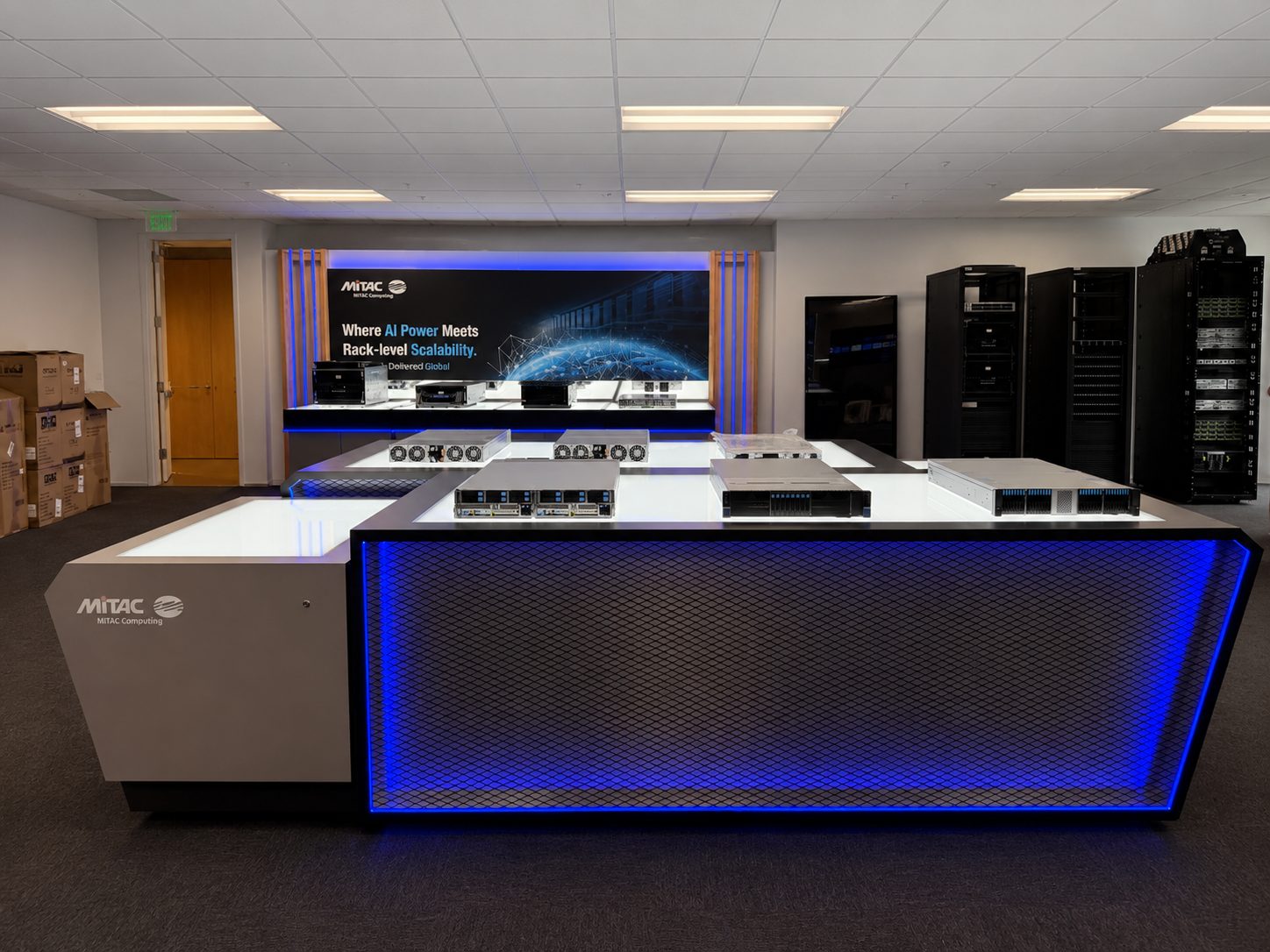
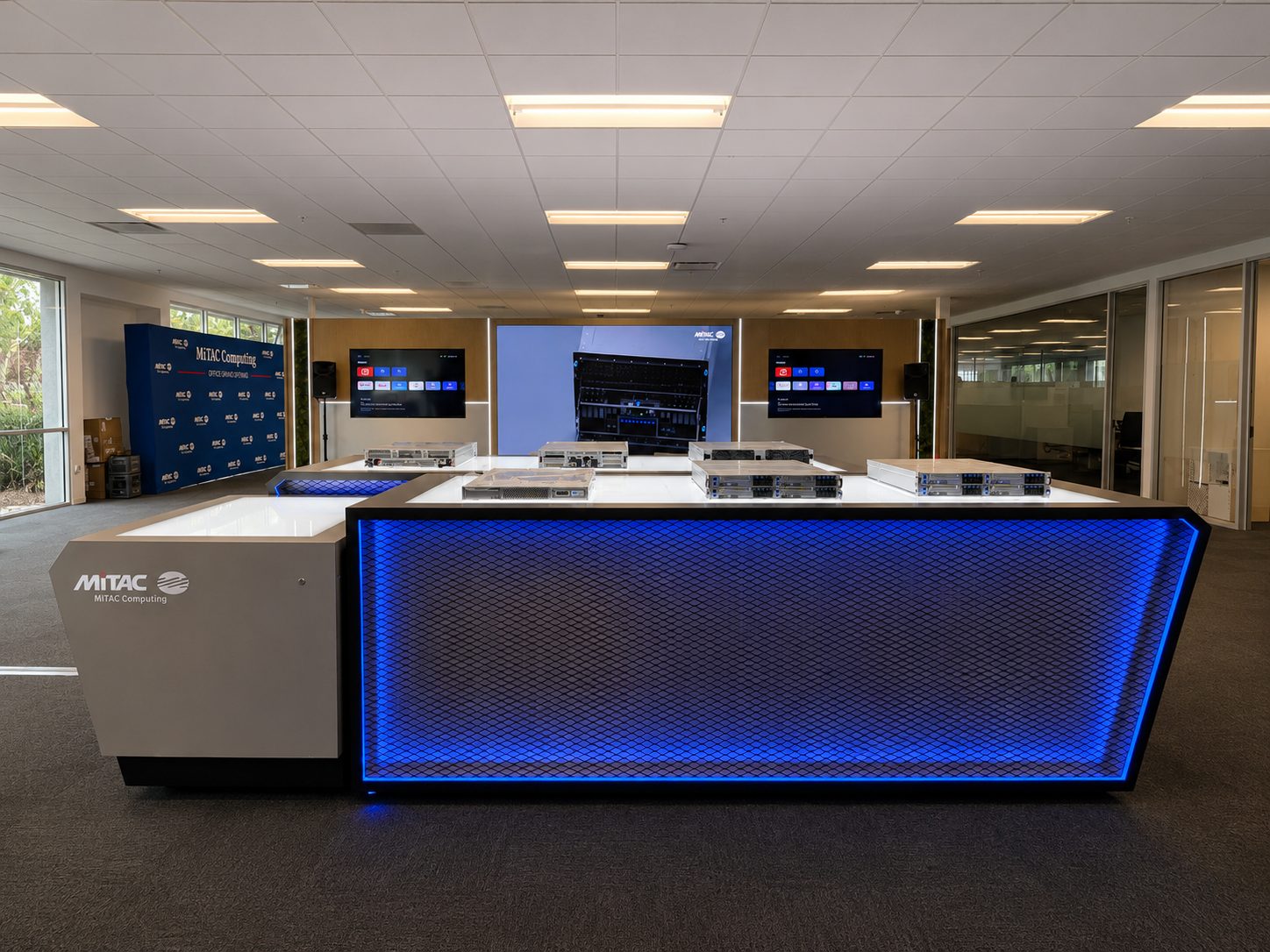
A Showroom Is a Permanent, Controlled Selling Space
A showroom is a permanent, controlled environment where buyers can see, touch, and test product before they commit. The brand owns the layout, the lighting, and the sound, and there are no venue rules to design around. Buyers arrive by appointment or by invitation, so every visit is planned. Because the space is permanent, the sales team can host a different buyer each week without shipping or rebuilding anything.
The Sales Cycle Decides Whether a Showroom Pays
A showroom fits product that carries a high price, a complex specification, or a buying decision that depends on handling the product. It fits brands that meet buyers in person more than once a year in one region, and brands that run wholesale or dealer line reviews. It also fits a company that already spends heavily on shows mainly to hold meetings, since those meetings can be hosted in a space the brand controls. Where those conditions hold, the same sales conversation happens more often and with less travel and setup.
When a Showroom Is the Wrong Call
A showroom is the wrong investment for commoditized product or product sold entirely online. It is also the wrong investment when buyers will not travel to a space, since the meetings that justify it never happen. The third condition is operational. A permanent space needs someone to program it, book it, and keep it presentable, and without that the space becomes a fixed cost with no return.
The Cost Comparison Runs on Qualified Meetings
The comparison that matters puts annual show spend per qualified meeting next to the showroom's annualized cost. The annualized cost is the build amortized, plus rent, staffing and maintenance, divided by the expected meetings per year. An illustrative example runs like this: a brand that spends $300,000 on shows for 150 qualified meetings is at $2,000 per meeting. A showroom built for $400,000, amortized over five years, is $80,000 a year, plus $120,000 rent, $90,000 staffing, and $10,000 maintenance, which totals $300,000 a year across 200 expected meetings, or $1,500 per meeting. The figures are illustrative and do not represent a client result. Use qualified meetings rather than booth traffic or impressions, because a meeting is the step closest to an order.
How AMG Builds a Showroom
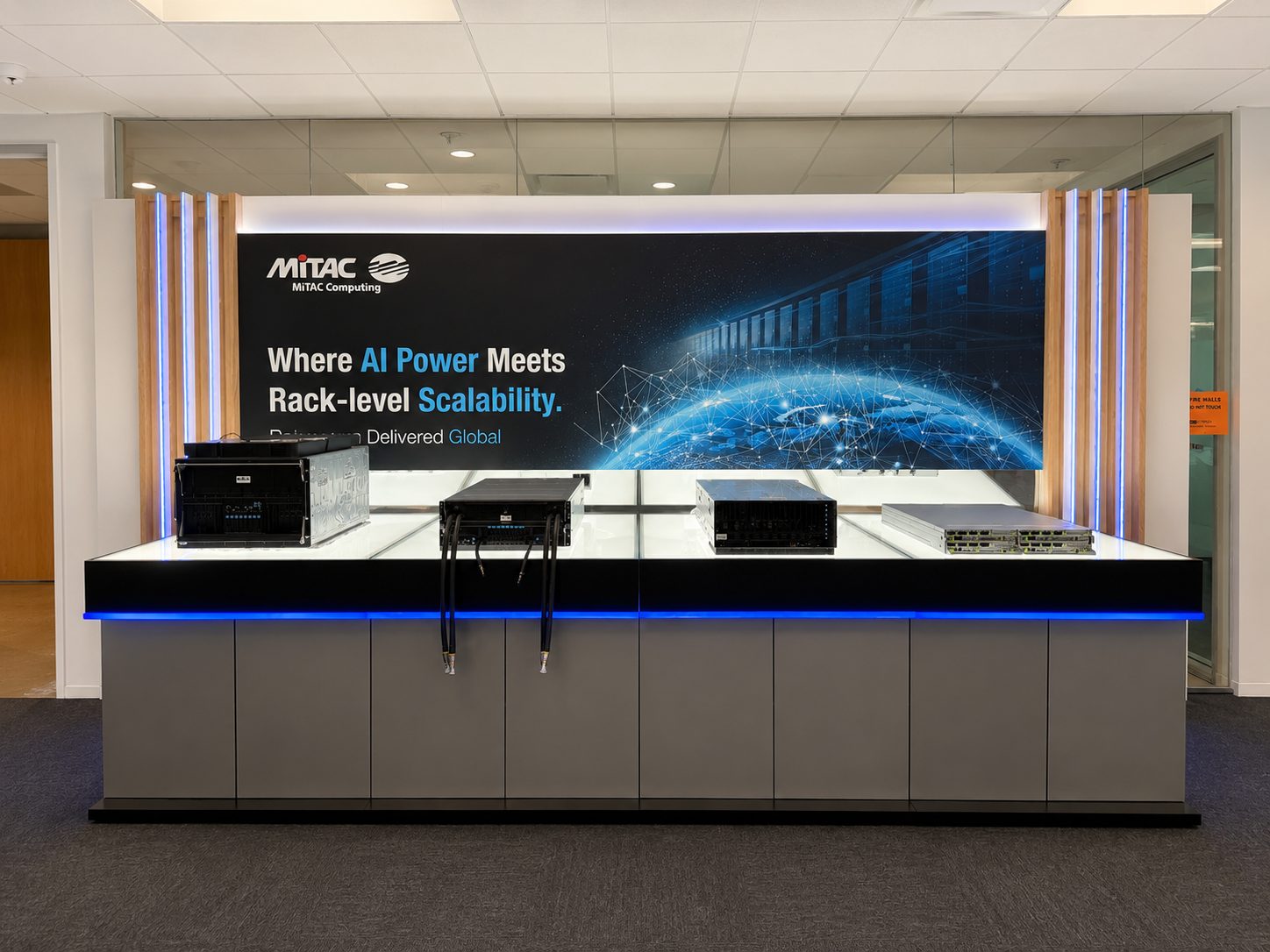
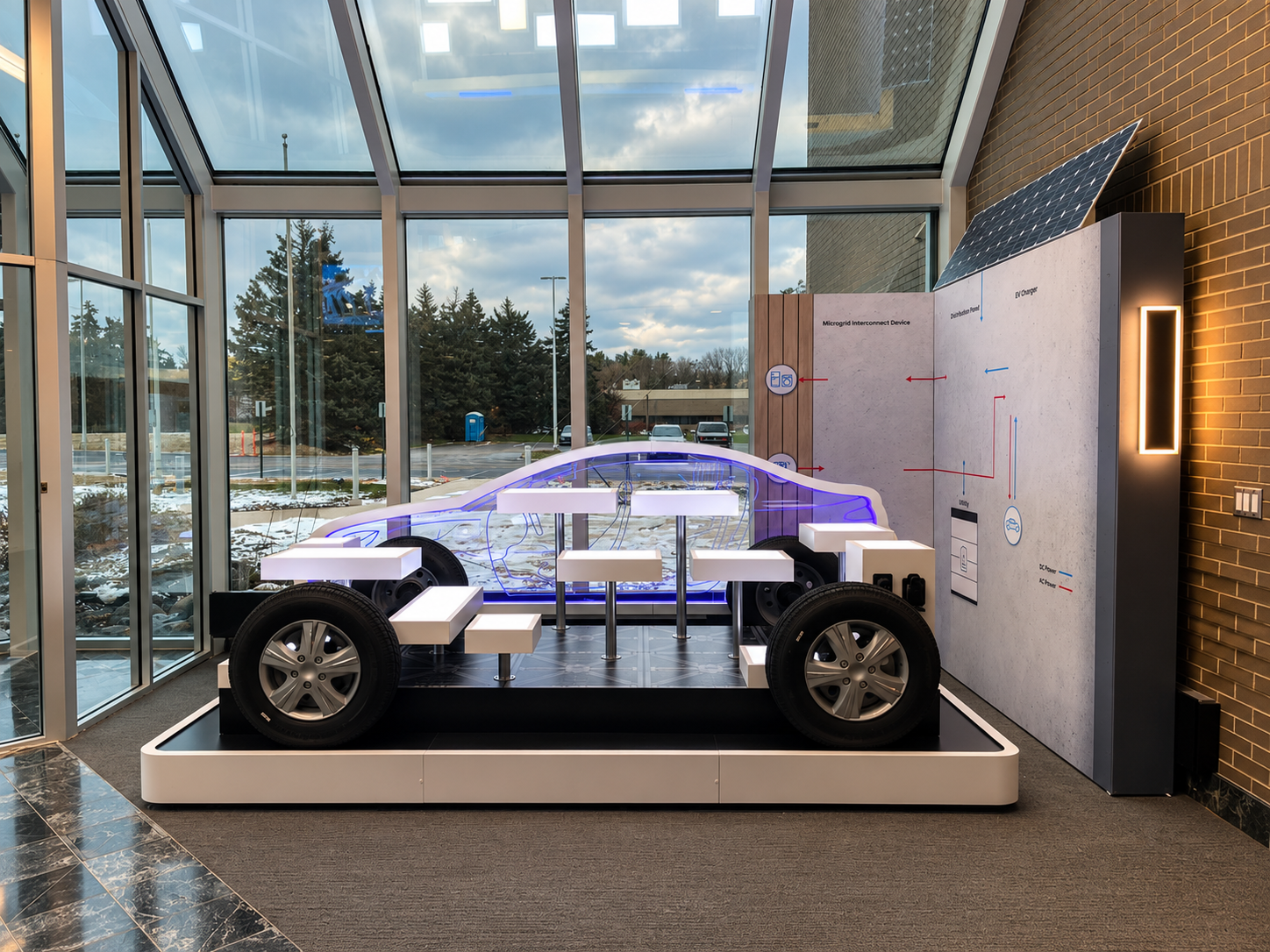
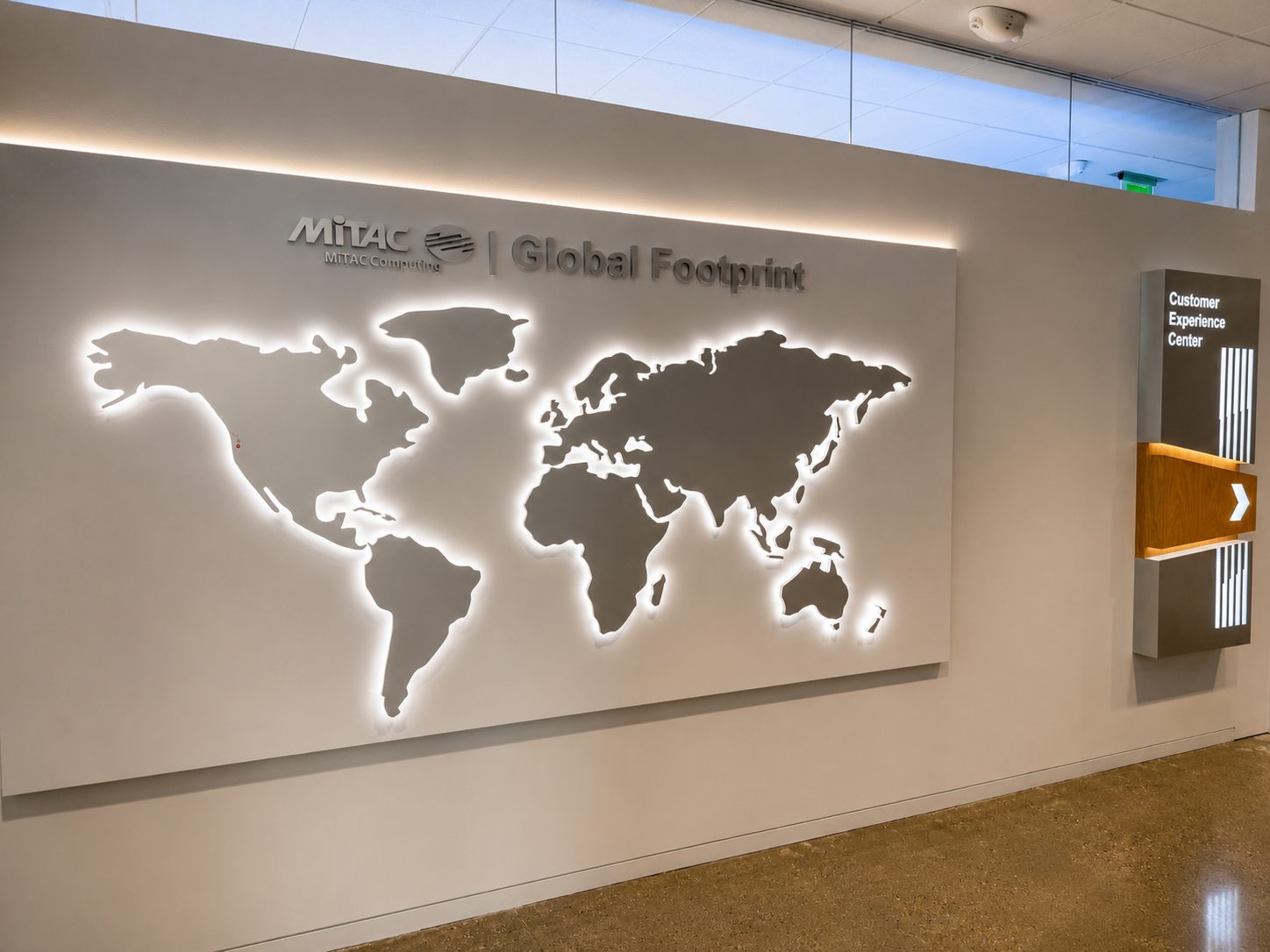
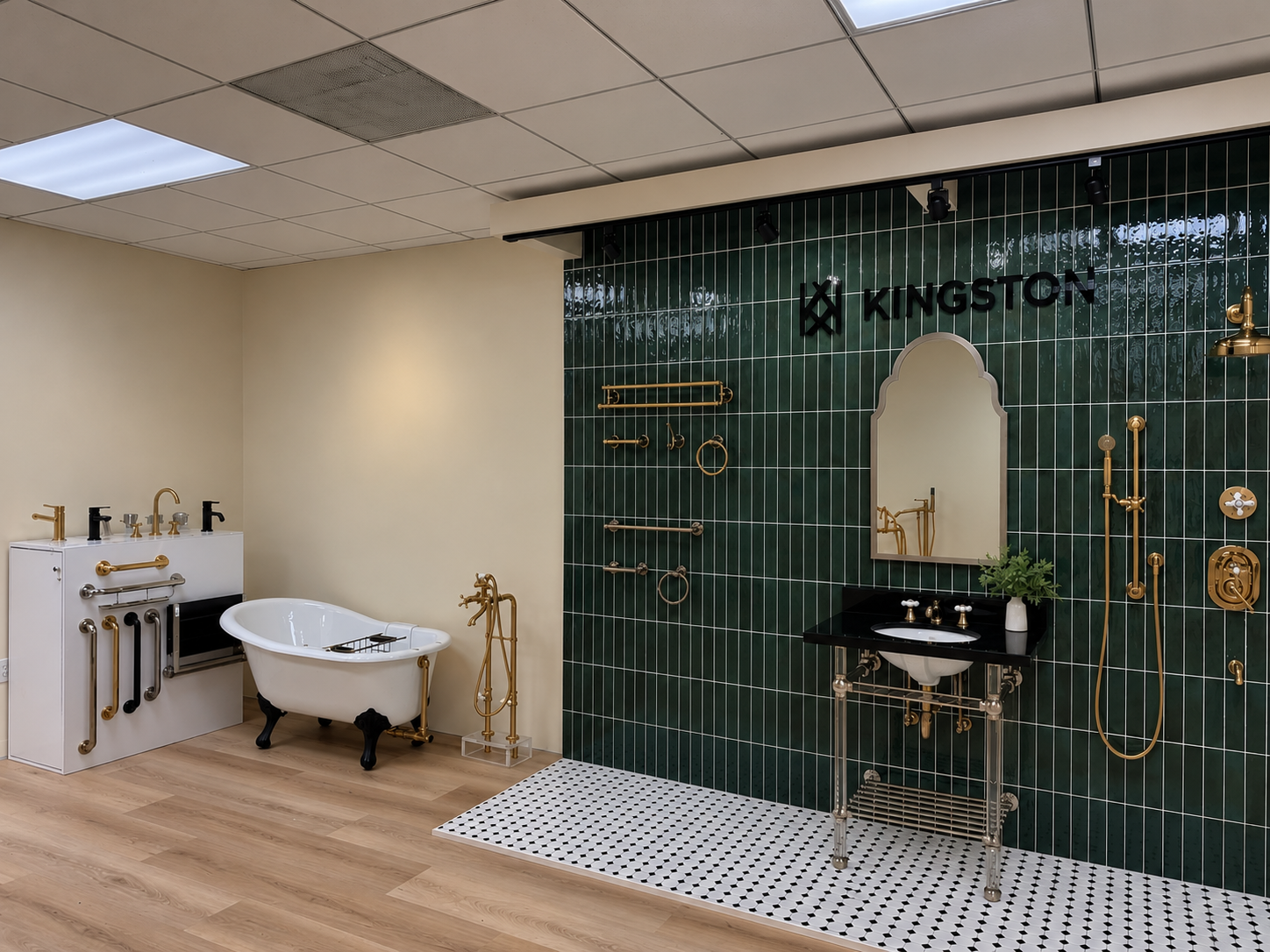
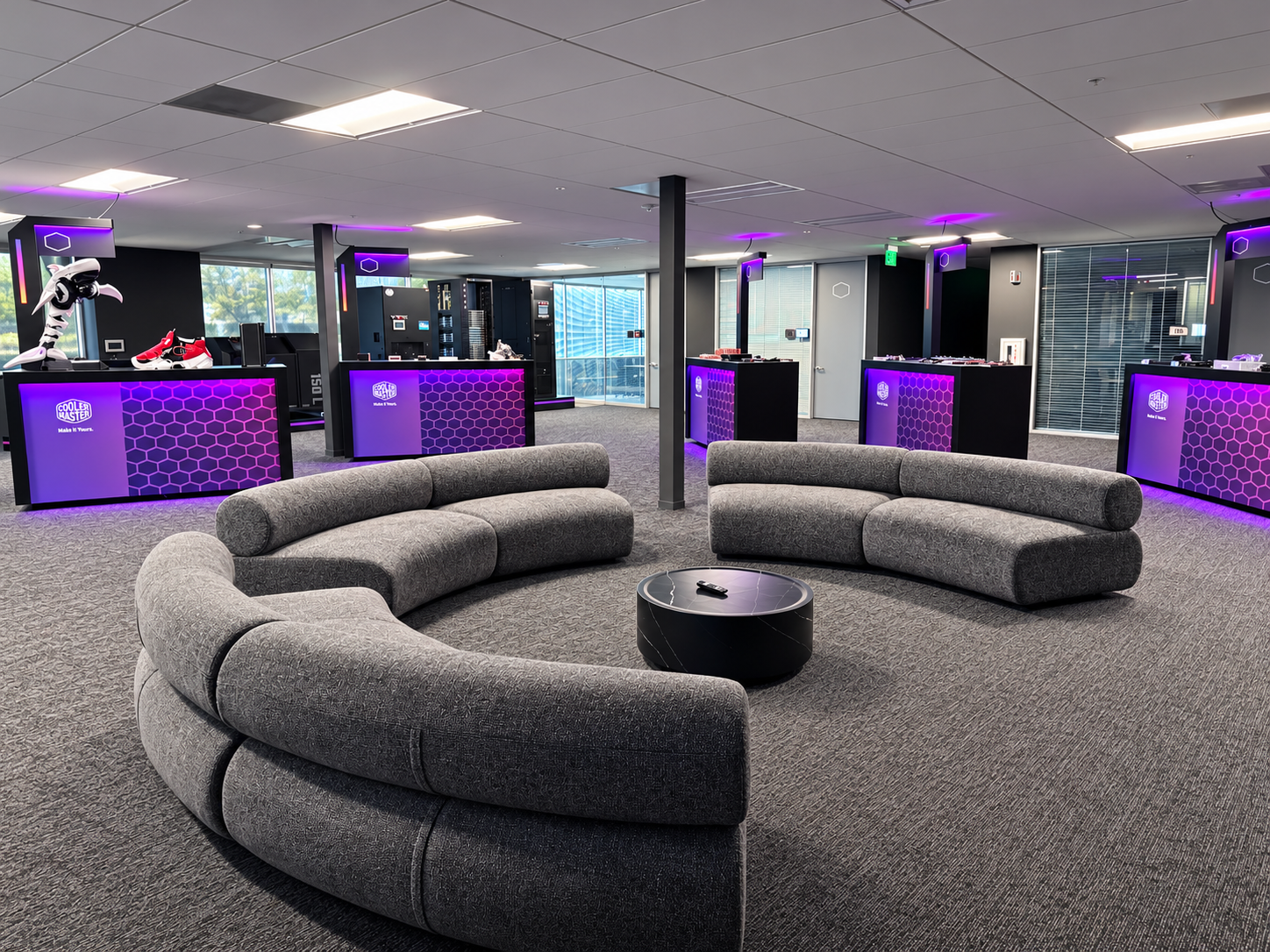
AMG designs, fabricates, and installs showrooms as well as custom trade show exhibits. Completed showrooms include the MiTAC Customer Experience Center and showrooms for Kingston Technology, Cooler Master, and Delta. A second showroom for Delta and a third for Cooler Master are in progress. Work starts with the brand and how the client sells, then moves to layout, finishes, and the graphic program, with fabrication handled in house. Installation finishes on site, including lighting focus and graphic alignment, before the first meeting is booked. The same team carries the project from concept through install.
Questions to Answer Before Building a Showroom
Before committing to a build, a company should know three numbers: how many qualified meetings its shows produce each year, what those shows cost, and how many meetings a permanent space would host. It also needs a named person responsible for booking and running the space. If the showroom's cost per meeting is lower than the show calendar's and that person is in place, the showroom is worth building. Contact AMG at artsolutemediagroup.com/contact to discuss a permanent space.
Ready to Make Your Mark?
Tell us your show, your brand, and what winning looks like. We will take it from there.